Visiting Poland was not on our travel radar before our friends Donna and Jon moved to Warsaw a few years ago. I didn’t know much about Poland, its rich history. Since we are based in Asia, Nate and I have not traveled extensively to Europe in recent years. Europe is very expensive relative to a lot of places we have been exploring lately, and we know that we will hopefully be able to travel extensively in this continent as we get older and some of the more off-the-beaten-path destinations in the world might not be as easy for us. While we were planning our remaining time on our year off, the plans after Nepal were constantly in flux and we weren’t sure what direction we wanted to take. So, after catching up over a phone call we decided this would be a perfect time to visit our friends Donna and Jon who we worked with in Korea in Poland, meet their new young boy who was born during the COVID pandemic, and see what Poland had to offer, and I am so glad that we did!
I honestly think Poland and the Baltic states of Lithuania, Latvia, and Estonia are one of the best-kept secrets in Europe. This said, we did see sizable crowds of tourists in the more well-known towns in Poland, so I think the secret is getting out, but the three Baltic countries are still very quiet and really amazing destinations to visit. With the costs of hotels, food, and transportation a fraction of what it is in western Europe, these countries also an affordable travel in what is certainly one of the most expensive continents in the world. The war history from both World Wars and the Russian and Soviet occupation of this land is an extremely powerful and tragic part of the history of this region and of the Poles. The people of Eastern Europe had a rough 20th century, which makes it so amazing to see them thriving now. The citizens of all of these countries are very kind and friendly, particularly after enduring so much hardship in the past hundred years.
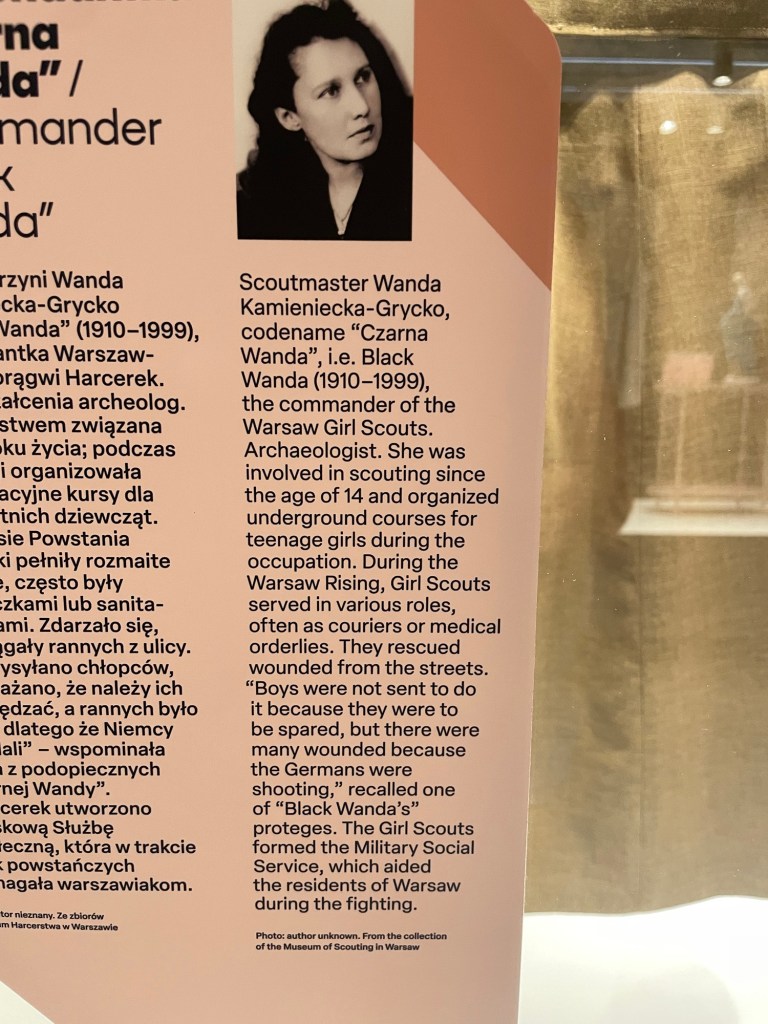
Our Poland trip started with a brief stop in Warsaw for the night before catching a train to the southern part of the country. Immediately after arriving in Warsaw, we dropped our bags at the apartment we rented for one night and quickly headed to the Warsaw Rising Museum to take in as much as we could before it closed at 18:00. We lucked out because the museum is free on Mondays. This museum is dedicated to the resistance movements in Warsaw during the Second World War. It is located in one of the few remaining buildings that survived the extensive bombing by the Germans. The museum is extremely well laid out, and I wish we had more time to really take in everything.
During the 19th Century, Poland disappeared from the world as a sovereign state. At the end of the First World War, Poland, along with the Baltic states, gained their independence back from the Russian Empire with a war of independence from 1918 to 1920 finally ending with their sovereignty. For the next twenty years, all the Baltic states ruled as independent countries and even built monuments to their freedom, but with the rise in power of Hitler to the west and Stalin to the east, the newly independent countries’ freedom was shortlived.
In August 1939, the Soviet Union and Germany signed the Molotov-Ribbentrop Pact which was a non-aggression pact that divided up the spheres of influence of Eastern Europe between these two superpowers. Germany claimed western Poland and part of Lithuania while the Soviet Union took over eastern Poland, most of the Baltic States, and part of Finland. One week later, Germany invaded Poland from the west and two weeks later, the Soviet Union attacked Poland from the east. When the Poles put up an armed resistance to the Nazi invasion, the German attack on the Baltic Sea port city of Gdansk in northern Poland was the official start of WW2.
Within three weeks, the Germans had taken over Warsaw, and the following November in 1940 the Warsaw Ghetto was established. This ghetto was the largest of any in Europe since Warsaw had the second largest Jewish population in the world at this time, second only to New York City. It is estimated that 400,000 Jews lived in an area of just over one square mile. Since food was scarce and conditions were unsanitary, many people died of starvation and disease. Starting in July 1942, the Germans began liquidating the Ghetto and sending residents to the Treblinka killing center with the false promise of a work camp with better living conditions. It is estimated that around 265,000 Jews were sent from Warsaw to Treblinka and they killed approximately 35,000 in the rounds ups.

In 1943, the Germans came back for more deportations, but at this point, those remaining in the Ghetto knew what was to be their fate. Instead, they rose up against the Germans and fought back. They lasted only a couple of weeks before the Germans regained control and sent the remaining residents to forced labor camps or death camps. This resistance movement from the Ghetto inspired greater resistance from the entire city of Warsaw in general. The Warsaw Uprising began in August 1944 with the encouragement of the Soviets that they would help liberate the city from Nazi control. The Poles were initially successful and took back much of the city. They created fighting units, barricades, and hospitals around the city. They utilized the sewer tunnels around the city for messengers, as well as for allied Polish soldiers to move throughout the city.
Eventually, the firepower of the Germans won out. The Poles were left defeated in great part because the support promised by the Soviets never arrived. Their army sat across the river and let the Uprising fail. They wouldn’t even let the other allied countries use their air base to give support to the Warsaw residents. In the end, the Soviets had decided to let the remaining military forces in Poland be demolished, which in turn would make it easier to move in and take control once the Nazis eventually fell. It was a cruel tactical move to eventually take over Poland after the war with limited resistance. The spirit of the residents of Warsaw is inspiring, as they remarkably seemed to fight back against all odds. After the Uprising, many civilians were murdered and a vast majority of buildings were destroyed and burned. One thing that stands out in modern-day Warsaw is that everything seems modern and new, which is a result of losing so many of the old historical buildings in the war. Alright, history lesson over.

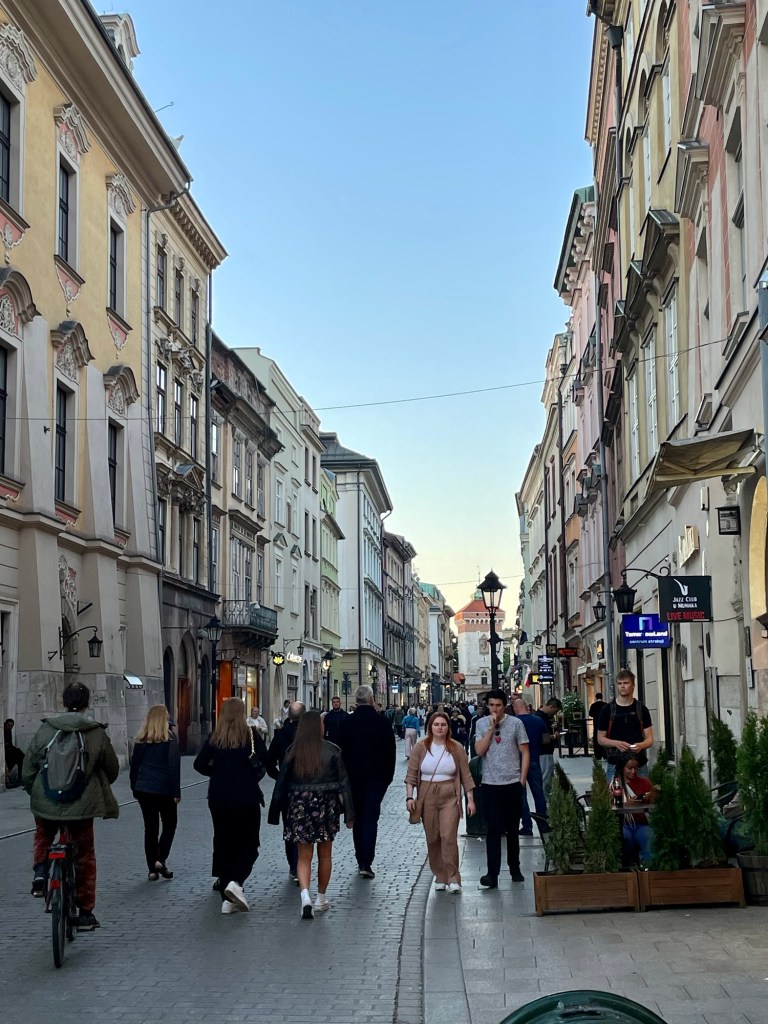
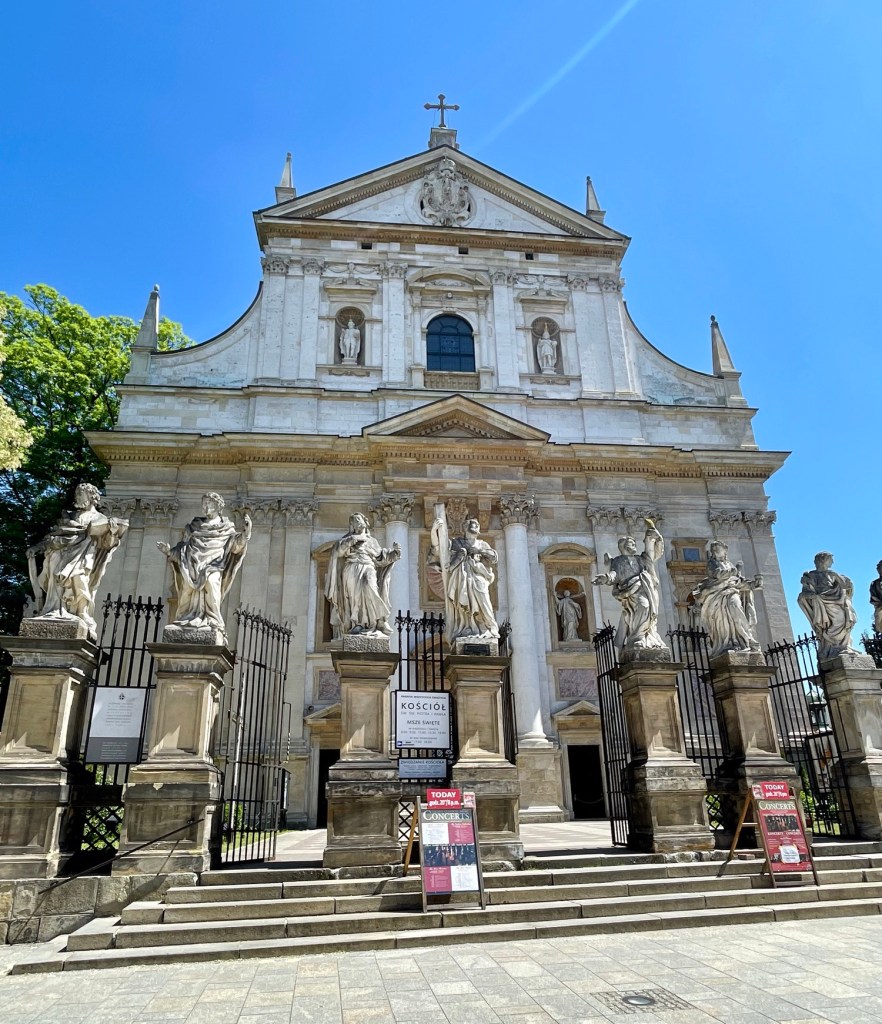
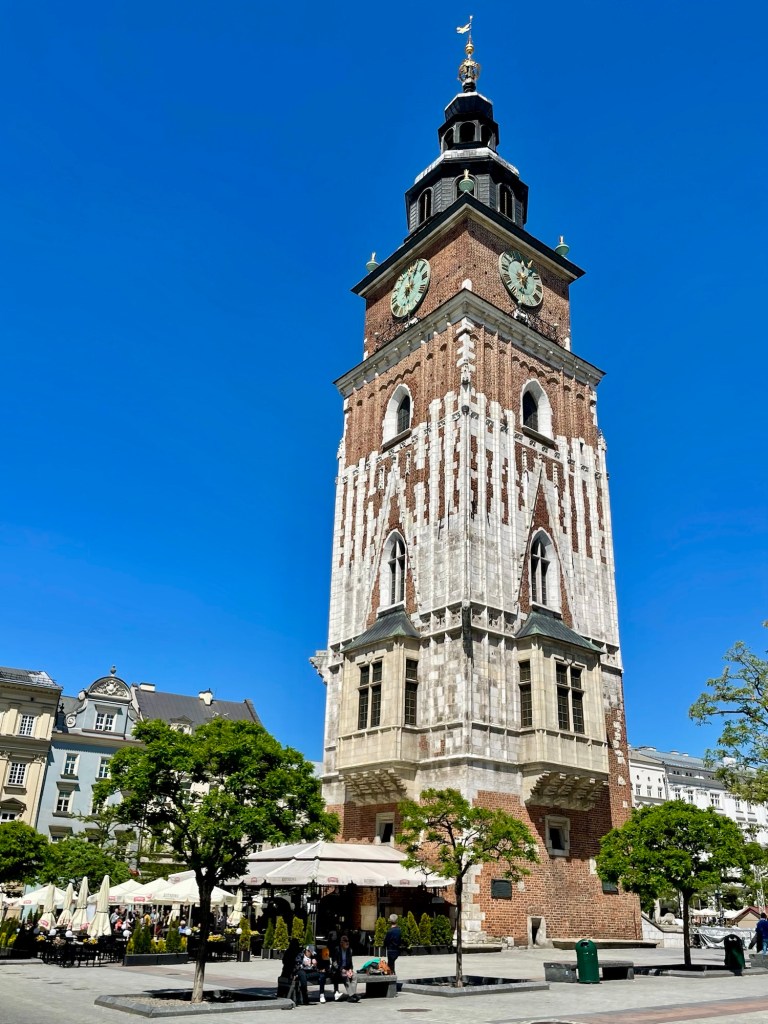
The following day, we hopped a train down to Krakow, which we found out is a very popular tourist destination. The Old Town of the city is really cute and was packed with tourists when we visited. There were tons of outdoor restaurants lining the square, and everyone seemed to be drinking beer at all hours of the day. We enjoyed strolling the old quarters of Krakow checking out the old buildings, as well as the rows and rows of colorful old houses lining every street. It seemed as if no students were in school when we were there at the end of May because the streets of Krakow were packed with kids, each one with an ice cream cone in one hand. There are also beautiful carriage rides you can take through the old town that are pulled by giant horses with women drivers dressed in traditional Polish clothes.

The following day, we had a nice sleep-in and then went on to explore the city center a bit more. Around midday, we hopped on a local train to the famous Wieliczka Salt Mine. This is one of the oldest salt mines in the world. It continuously produced table salt from the 13th century until 1996 and has since been transitioned into a museum and earned UNESCO World Heritage status. The mine is comprised of over 287 kilometers of tunnels in total, which go to a mind-blowing depth of 327 meters. To put this in perspective, this is over three football fields underground. They have kept open about 2% of the most stable tunnels within the mine, and show off some of the beautiful underground chambers and cathedrals that miners built and worshipped in over the centuries.
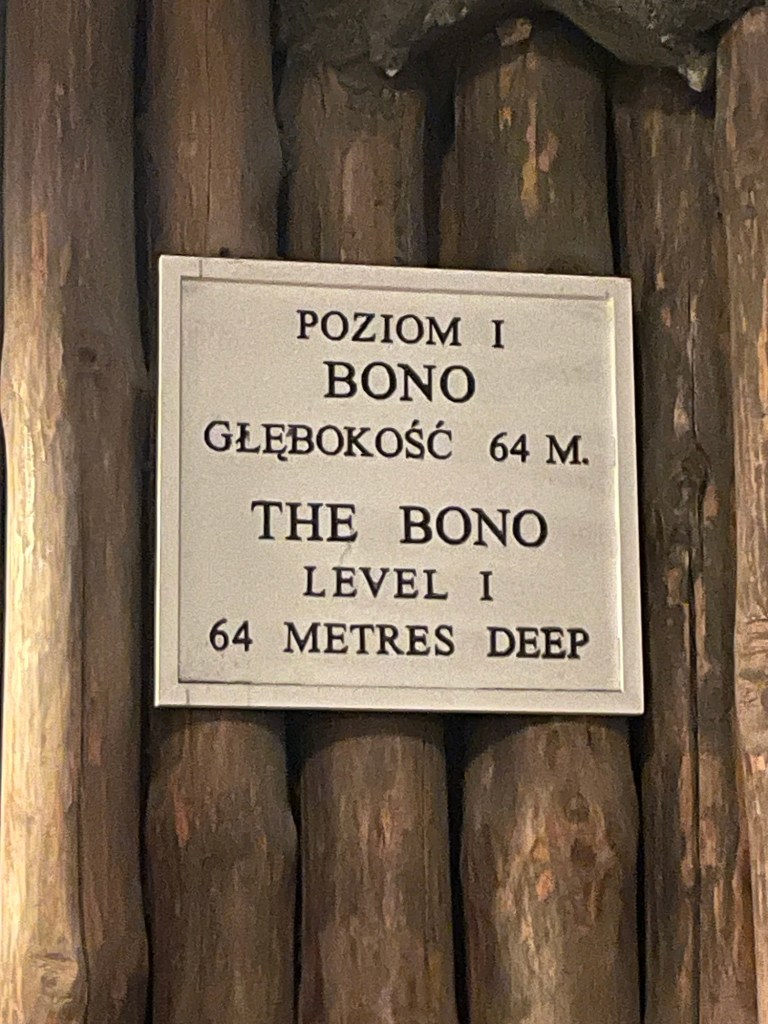
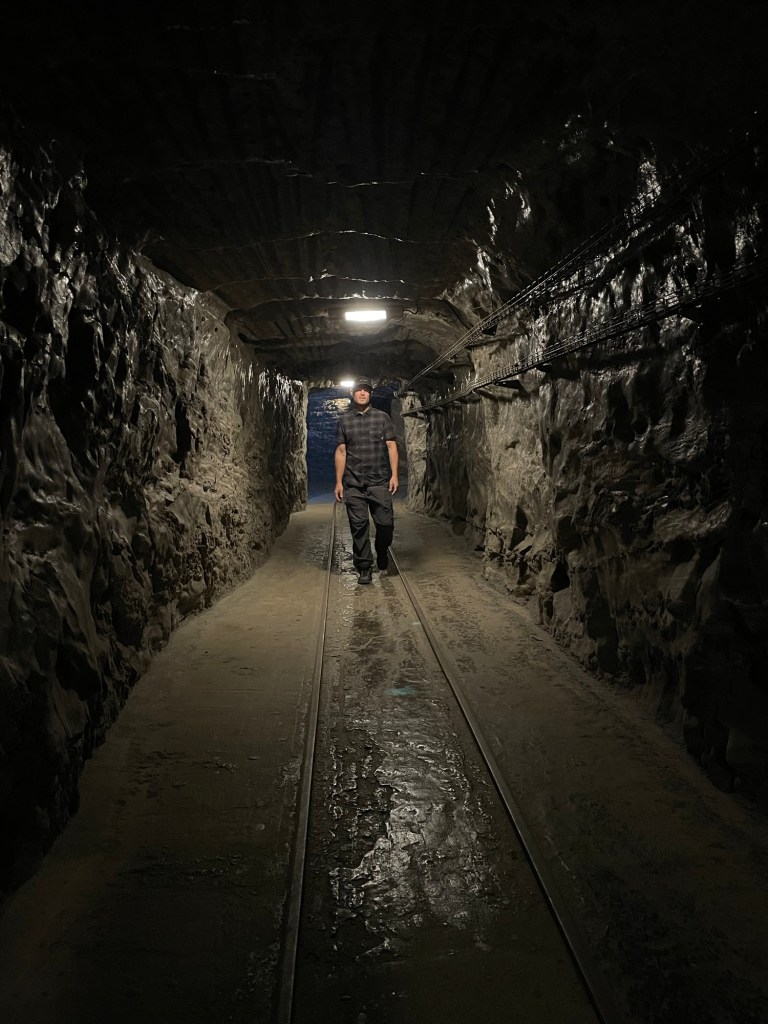
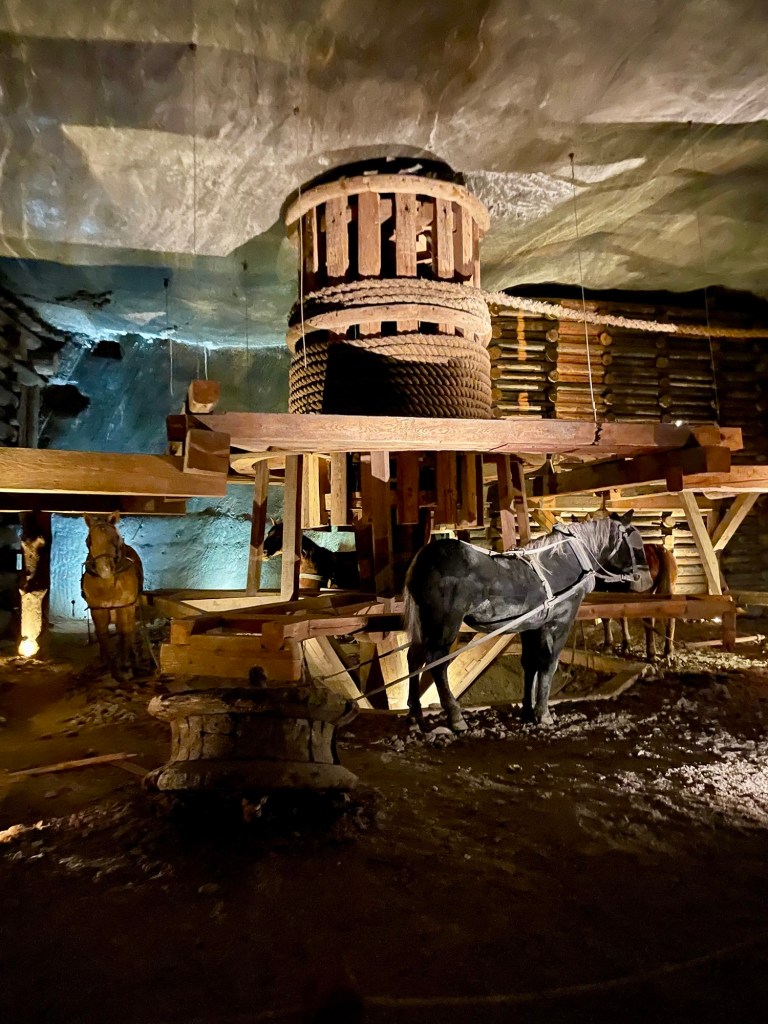
To explore the mine, you must book a tour in the language of your choice. English tours run quite often, but I recommend booking ahead as this is a very popular attraction. The mine is nine levels deep in total, and on the tour, we visited the top three levels. The tour starts off by walking down a spiral square staircase of 380 steps to the first level. At this point, we began the tour at 64 meters underground. Throughout the tour, there was a mixture of exhibits on how the salt was mined combined with the history of the unique and beautiful giant chambers that we made our way through. Some exhibits were beautiful salt statues and churches while others were recreations that showed the mining process and ways the salt was extracted out of the mine.

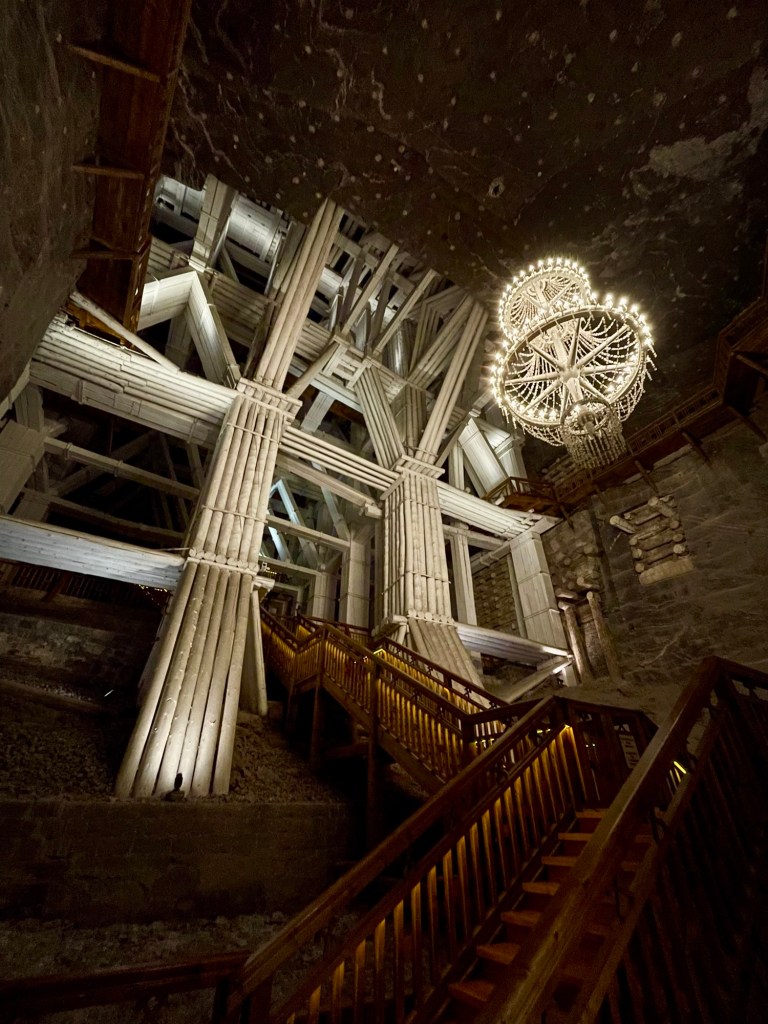
The highlight of the tour for me was the underground church of St. Klinga’s Chapel. Everything in this Chapel is made of salt including the carvings on the walls, statues, altar, and even the chandeliers. It was a stunning place to behold. By the time we ended our tour, we were on Level Three, which was 135 meters underground, and the location of a huge banquet hall, modern toilets, and food hall. It really blew my mind how much they were able to do so far underground. Luckily, they allow guests to hop on an old open-air mining elevator to exit the mine and come back up to the surface, which is one of the highlights of the tour.

We finished off our visit to the Salt mine with a visit to the Graduation Tower. This was a tower made out of blackthorn branches where they run water down the branches to produce a salt breeze in the air which is supposed to be healing. We had no idea really what we were getting into when we booked the additional ticket for this tower, and although it was relaxing, neither Nate nor I were blown away by the saltwater tower. We completed our visit with a quick tour of the small town of Wieliczka nearby where we saw a cute central square and some fun mining statues. We then hopped the train back to Krakow where we found a great pasta restaurant for dinner that mixes where we enjoyed pasta mixed in a giant cheese block before serving. We enjoyed walking around Krakow that evening as it came alive with lights and street vendors.

The following day we embarked on one of the more somber experiences one can imagine. The main reason we visited Krakow was to visit the Auschwitz-Birkenau concentration camp, which was the largest German concentration and extermination camp of the Nazi reign. This is a tragic piece of history that millions have visited since to pay their respects to the countless lives lost and learn the horrific story of how this happened. Due to the huge number of visitors and minimal signage, you are only allowed inside Auschwitz with a tour, but we found it to be incredibly informative, particularly about the second camp of Birkenau. We reserved an English-speaking tour in advance and had a great guide. They give everyone headsets so you can hear, but if you get too far away from the guide it does seem to cut out so we had to keep up.
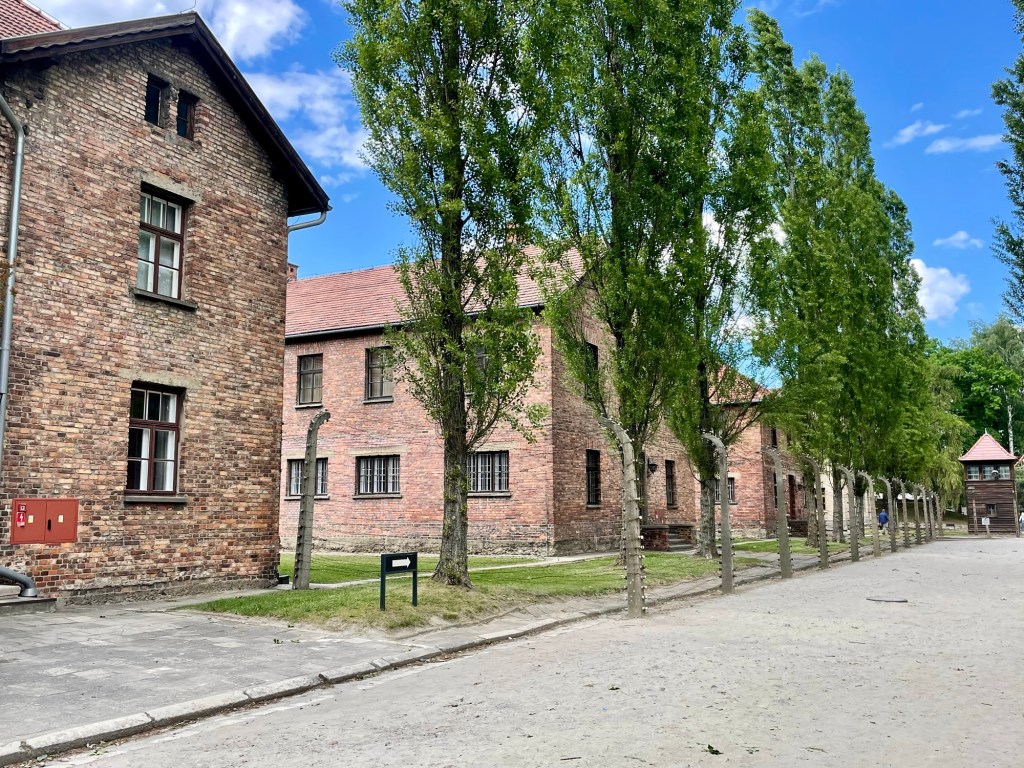
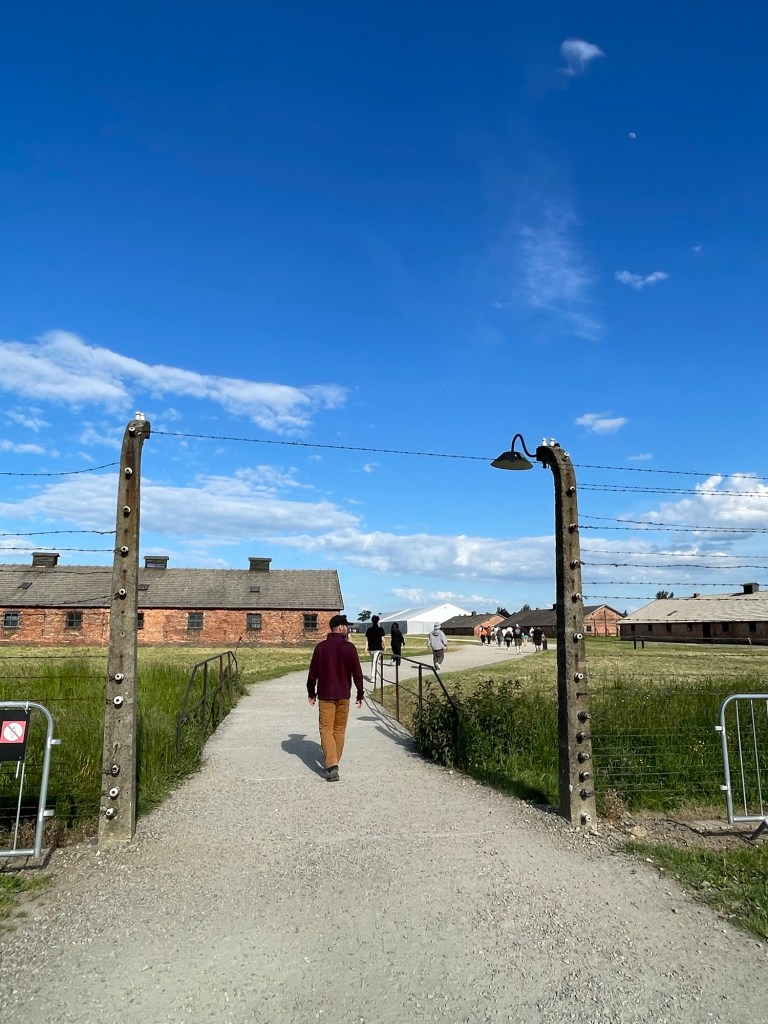
The tour starts with a remembrance walk. Here you walk through a modern concrete tunnel, and the names of those who died here are read out over speakers. It is a powerful presentation of what happened inside the gates that you are about to walk through and a good reminder of why it is so important to visit tragic historical sites such as this. Through remembering and learning about past genocides hopefully humans will never again do so much evil. Auschwitz was originally a Polish army base that was converted when the Germans took over. The camp was originally used for Polish political prisoners and while the work was difficult and the food minimal, the conditions of the bunkhouses were reasonable with running water, toilets, and a certain degree of warmth and insulation in the winter. Securing jobs in the camp such as being part of the band, working in the kitchen, and helping with administration or translation helped them stay alive longer than their counterparts who had to march five kilometers each way to the work camps each day.

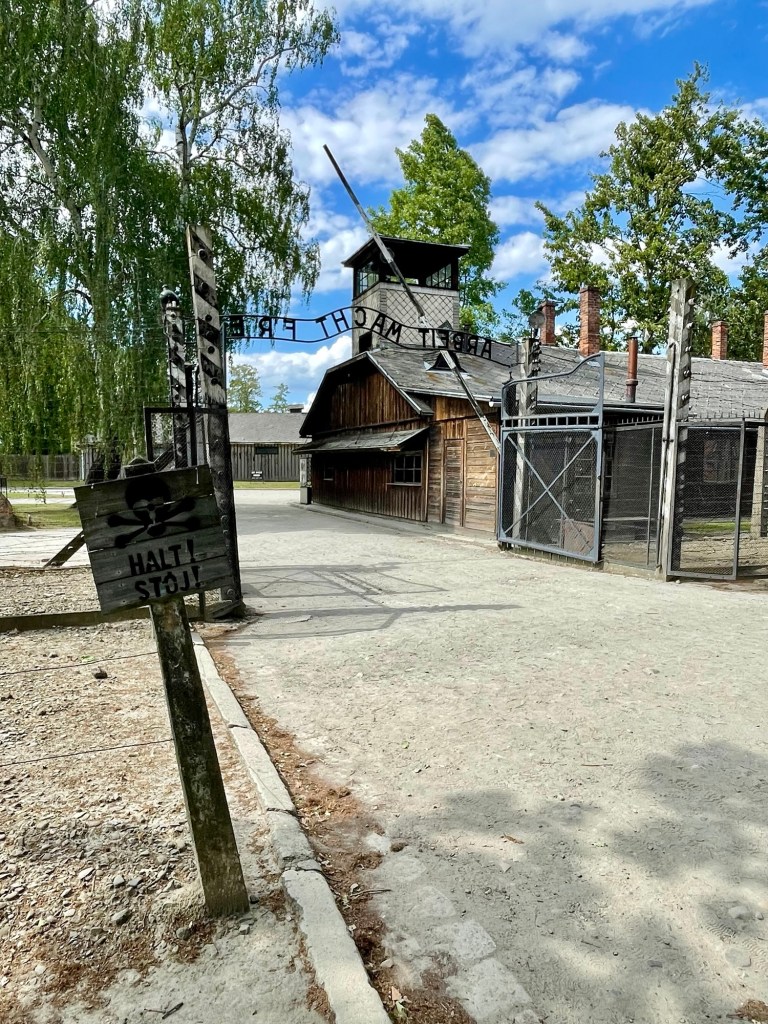
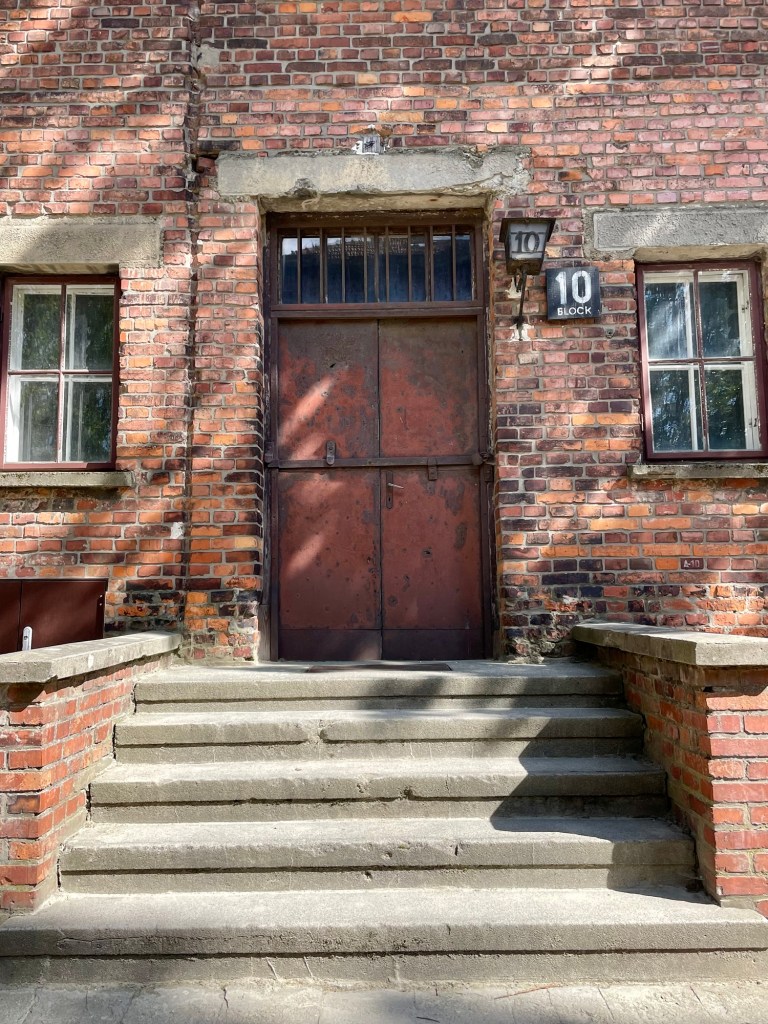
The bunkhouses have been converted into a museum and we could very clearly see the living conditions of the inmates, the prison cells, and the torture they were put through. Most disturbing was the hospital building where Josef Mengele carried out his horrific experiments, and rows and rows of photos of inmates with their admission dates and date of death. Photos and records were common at the start of the war but were later deemed too expensive and cumbersome as the population of the camps rose. The hardest building to enter was the one where they showed items collected from the prisoners as they arrived such as suitcases, eyeglasses, shoes, and even woman’s hair that was shaved off and used to weave into blankets.

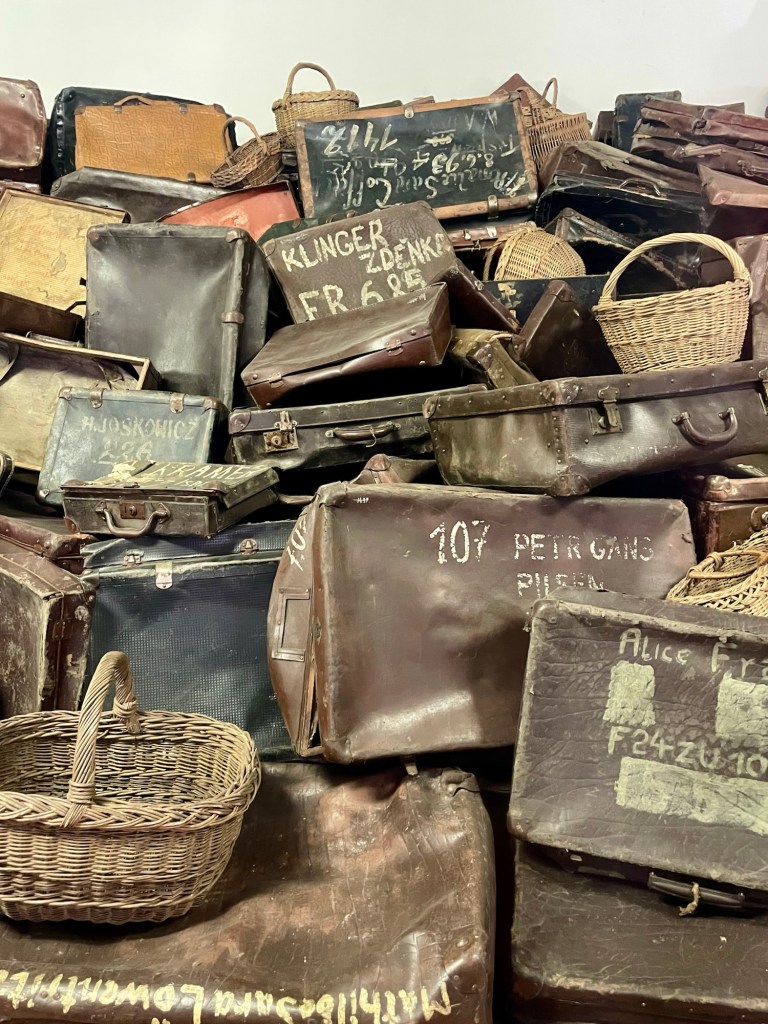
What stood out to us most at the Auschwitz Memorial site is there is not much focus on photos of the death that you see in many holocaust museums. There are no pictures of emaciated bodies, no descriptions of the experiments carried out, and no testimonials from those who survived. It was a recitation of facts and numbers and I believe this is because they want to treat it more as a place of remembrance of what was lost instead of showing the horrors of what was done.

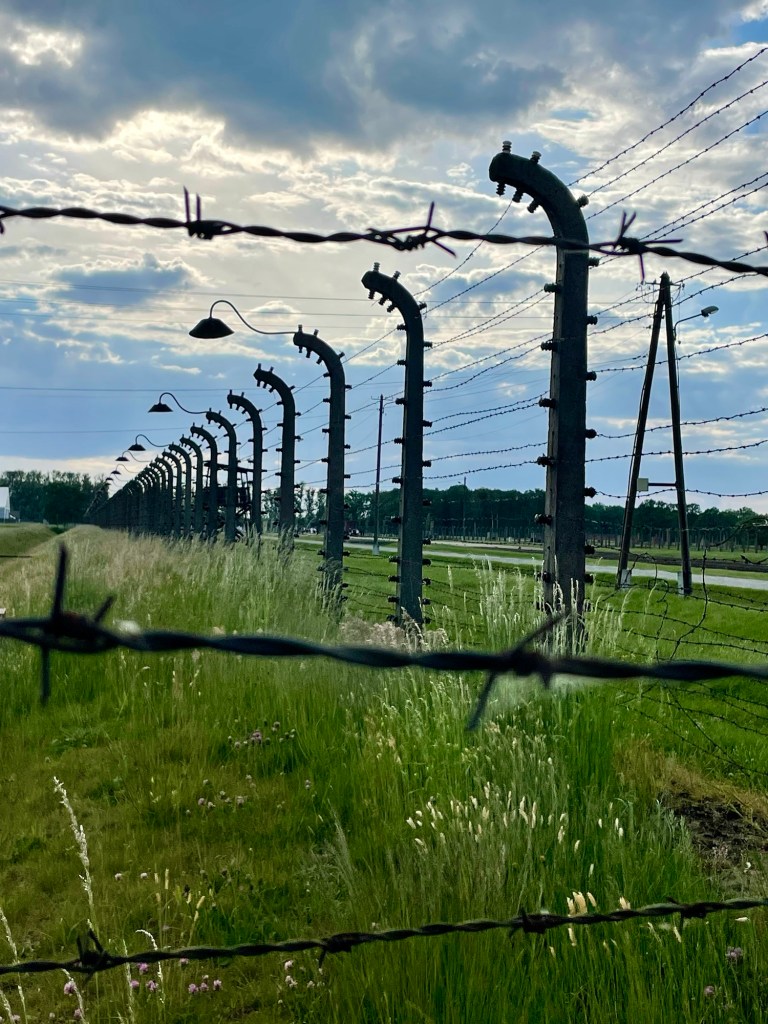
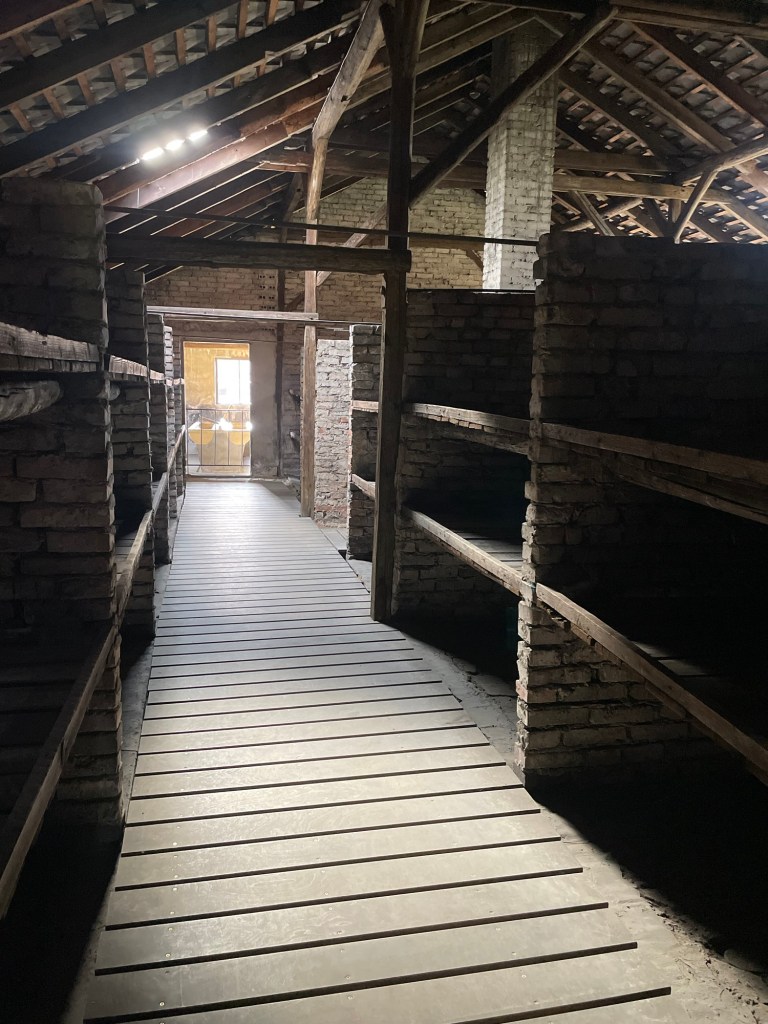
After the tour finished at the Auschwitz prison camp, we had a fifteen-minute break before the group hopped on a bus to see the Birkenau camp, which is where most of the prisoners sent here were executed. While Auschwitz was turned into a museum, Birkenau has barely been touched or changed since the camp was liberated. Auschwitz 2- Birkenau was built by prisoners from Auschwitz 1 camp when the Germans began to fight with the Soviets in the later years of the war. The Nazis expected a large influx of prisoners coming from the Soviet Union, and they needed somewhere to put them. The German army kicked many Polish out of their homes, tore them down, built a fence, and used the bricks from the homes to start building barracks. Once the bricks ran out, the barracks were built out of wood. The barracks were not outfitted with bathrooms or heat and the bunks were three high with up to five prisoners per bunk. Those who slept on the bottom were on the stone or wood floor with no mats and barely a blanket. By the last days of the war, they were in the process of adding toilets to the ends of each bunkhouse because the guards had started catching dysentery from the disastrously poor hygiene.
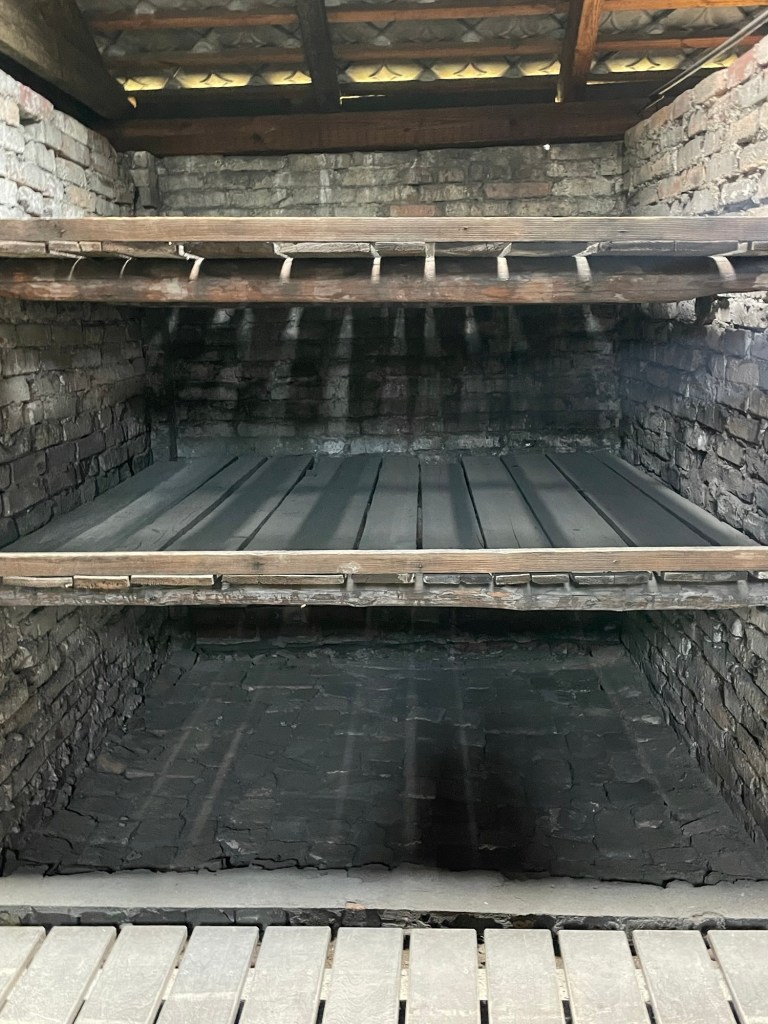
It turned out that Soviet prisoners never ended up in Birkenau. Instead, plans changed and this camp became the largest site of the Nazi’s Final Solution plan. They began to move Jews from all over Europe on packed train cars to Birkenau. Those who arrived brought suitcases with hopes of ending up in a better place. Some even bought tickets with the promise that the camp would be better than the ghettos of German-occupied cities. They were sorted into men, and women with children. The selection process began right away with the strong and able sent one way, and those with children or weak sent the other way. Unknown to these new prison arrivals, the weak were led straight to the gas chambers. They were told to strip down to shower and remember where they put their belongings. The shower facilities were disguised as group showers. They were unsuspecting of their fate until the final moments. Birkenau had four gas chambers that could hold up to 2,000 prisoners each, which meant they could kill 8,000 people at one time.

It is estimated that 1.1 million people were killed at this camp the vast majority of them Jews, and to stand in front of the broken remains of the gas chambers where so many innocent people were executed and then immediately cremated in giant furnaces is beyond heartbreaking and a feeling I hope to never relive. The prisoners who were initially put to work and not executed right away would be worked literally to the bone until they too would eventually be sent to the gas chambers and replaced by new arrivals. The prisoners that were initially deemed strong enough to work were in essence just delaying their own executions, but sadly most would not survive three months of hard manual labor with little to no food.
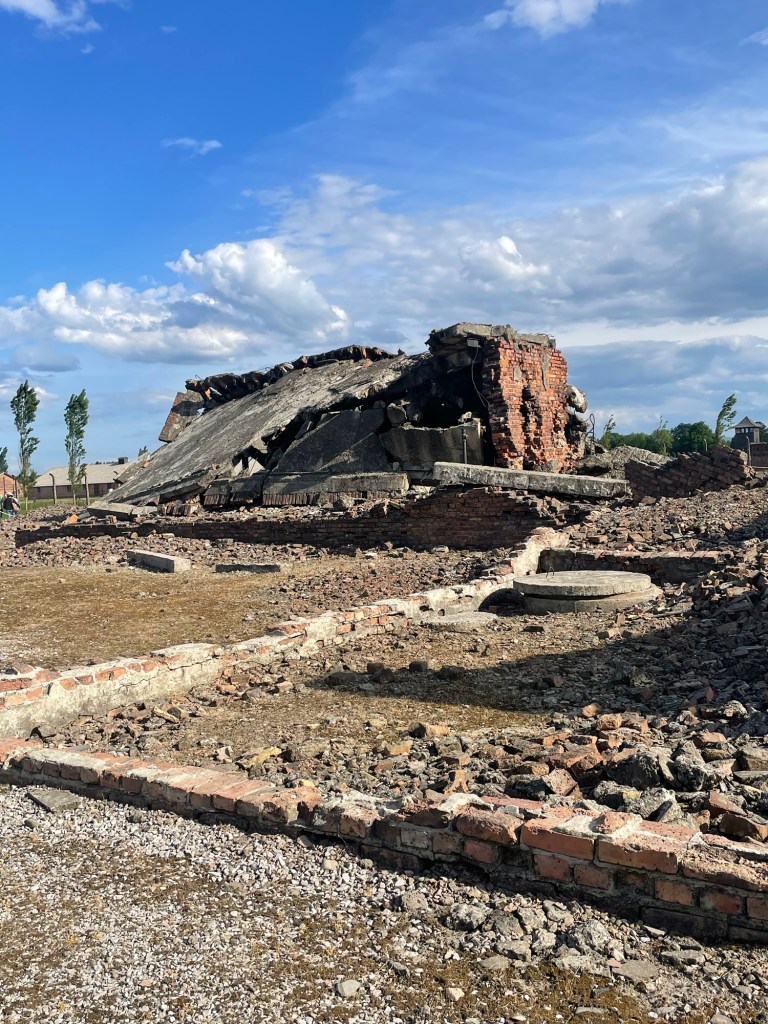
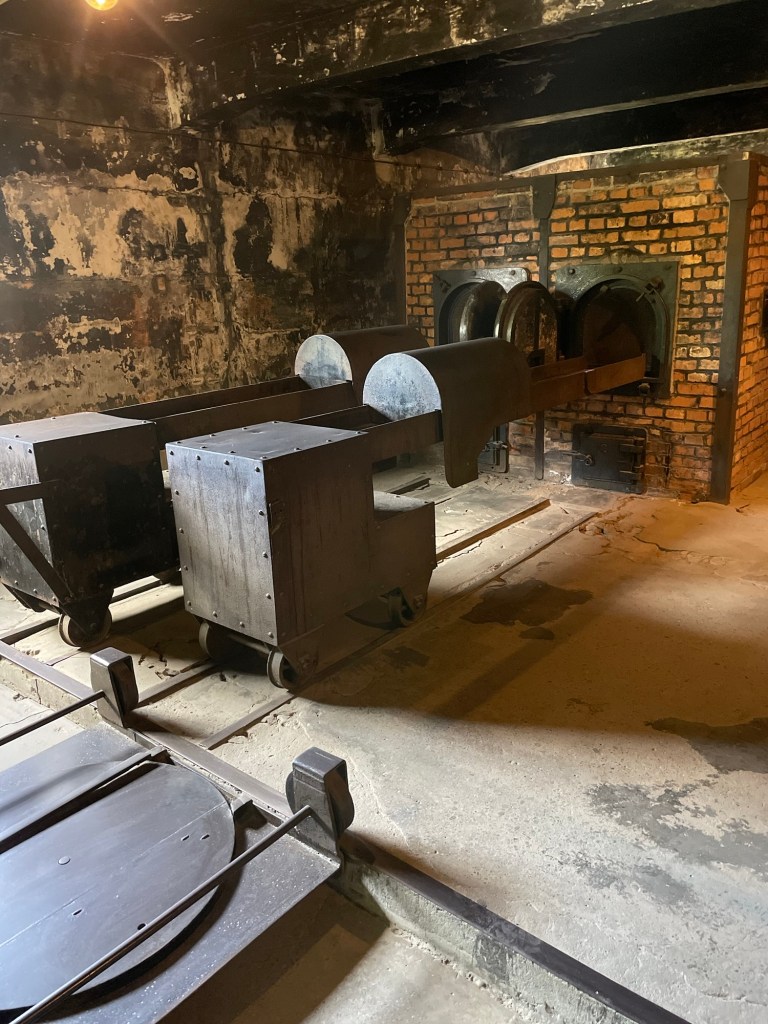
It was heartbreaking to see the ruins of the gas chambers and one of the women’s barracks. You could almost feel the ghosts of all those who perished here. It was so humbling and gut-wrenching yet despite terror like this being so hard to accept and wrap your head around, the education and realization that evil can and does exist is important for everyone to see and continue to be reminded.

The following day, we took a train back up to Warsaw for our reunion with our good friends Donna and Jon, with whom we worked in Korea, and to meet their new son Arlo. Our first night we just caught up with dinner and drinks after settling into their guestroom. The following day we rented bicycles and they showed us around the suburbs of Warsaw. I seriously feel that the suburbs here are every child’s dream. Endless bike and walking paths, more amazing playgrounds than I could count, and ice cream around every corner.


We first rode our bikes to an outdoor eatery where we enjoyed amazing sausage and pizza. Then, we continued our ride into the forest where there were paths in every direction. Tons of people were walking and biking the paths, as well as just hanging out with friends and barbequing. That evening they arranged for their nanny to look after Arlo and we headed into downtown Warsaw for a night out. We walked around Old Town, caught a tram to a great Tapas restaurant, and finished the night off with fancy cocktails at a really cool speakeasy bar.
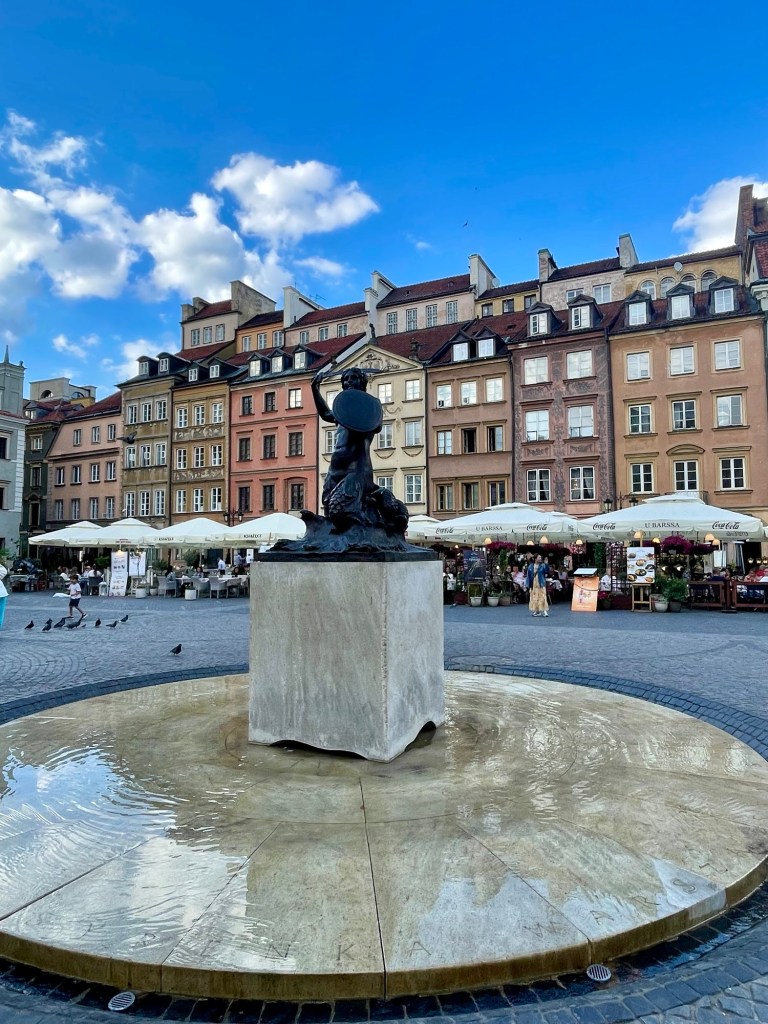
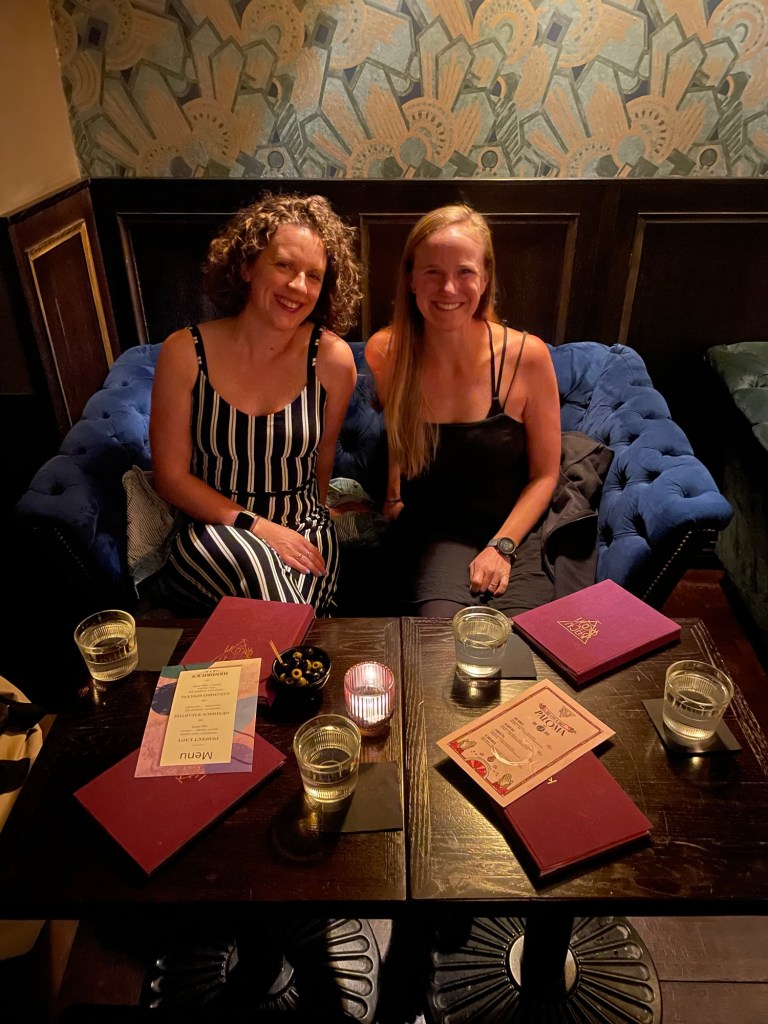
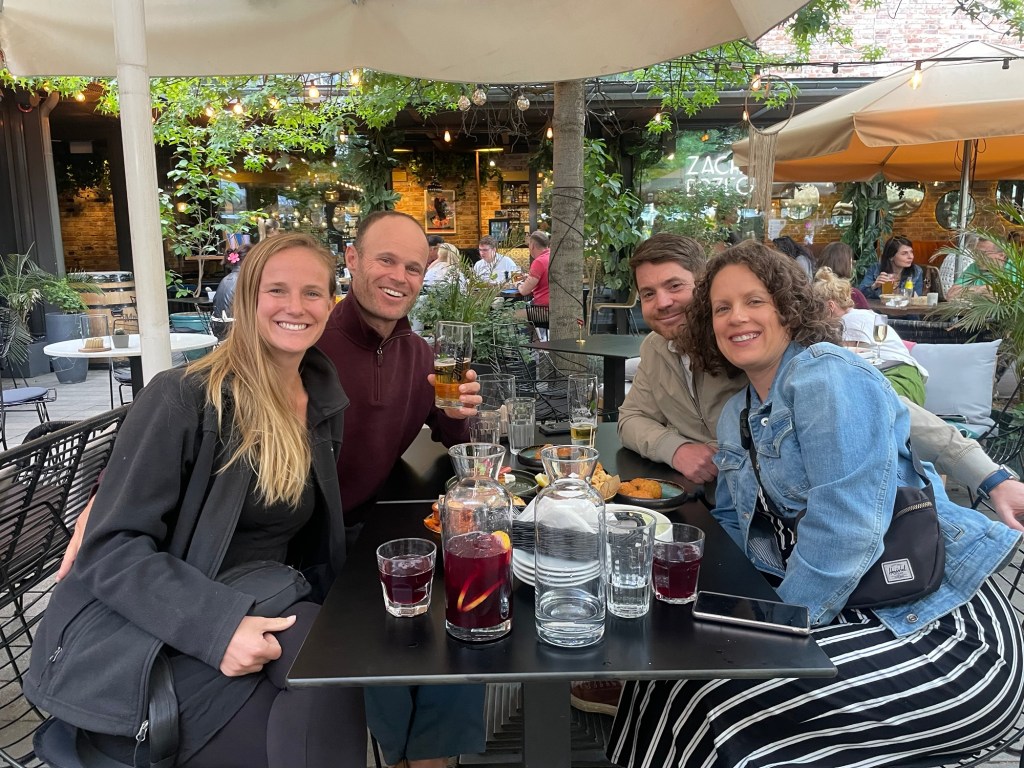
For our final day in Warsaw, we woke up and headed to a breakfast market in another popular park. It was mid May and Polish residents were clearly enjoying the warm weather and everything turning green after a cold dark winter. This Sunday market was brilliant. There were several dozen food stalls with all different sorts of foods, drinks, and coffees. There were little chairs that you could set up in the grass, while many people just set up their own blankets. The kids could run around and play, which kept Arlo entertained and happy. We met up with some of Jon and Donna’s colleagues from their school, and it was nice to meet and get advice for our future travels from their friends who had lived in Poland for several years.

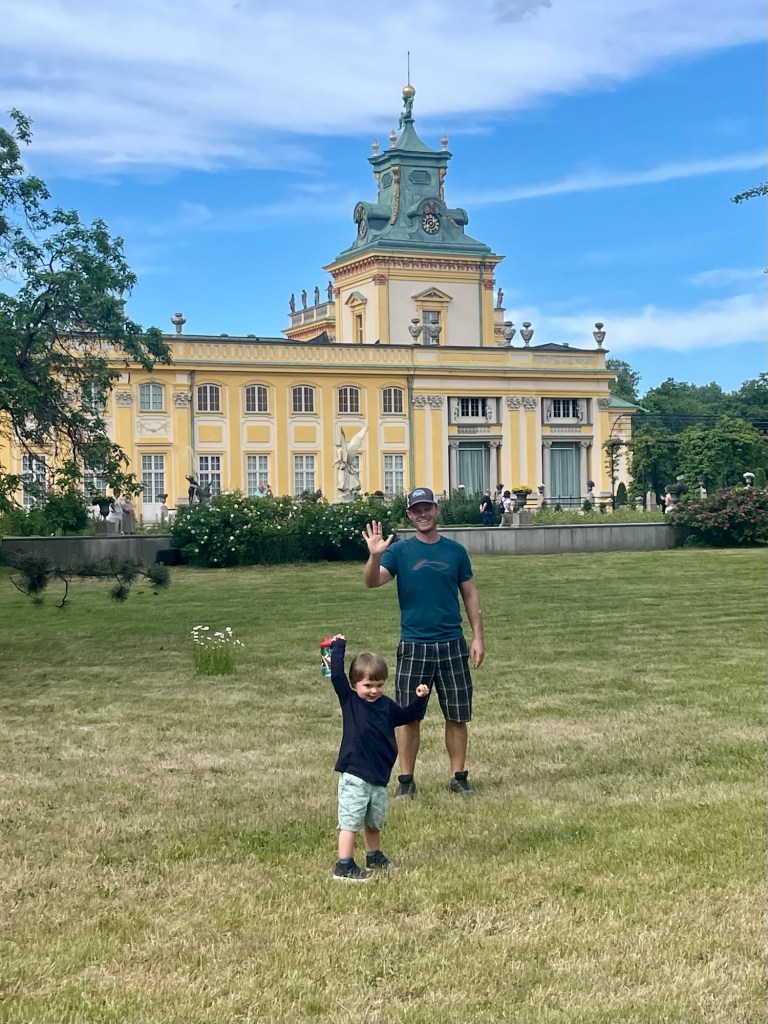
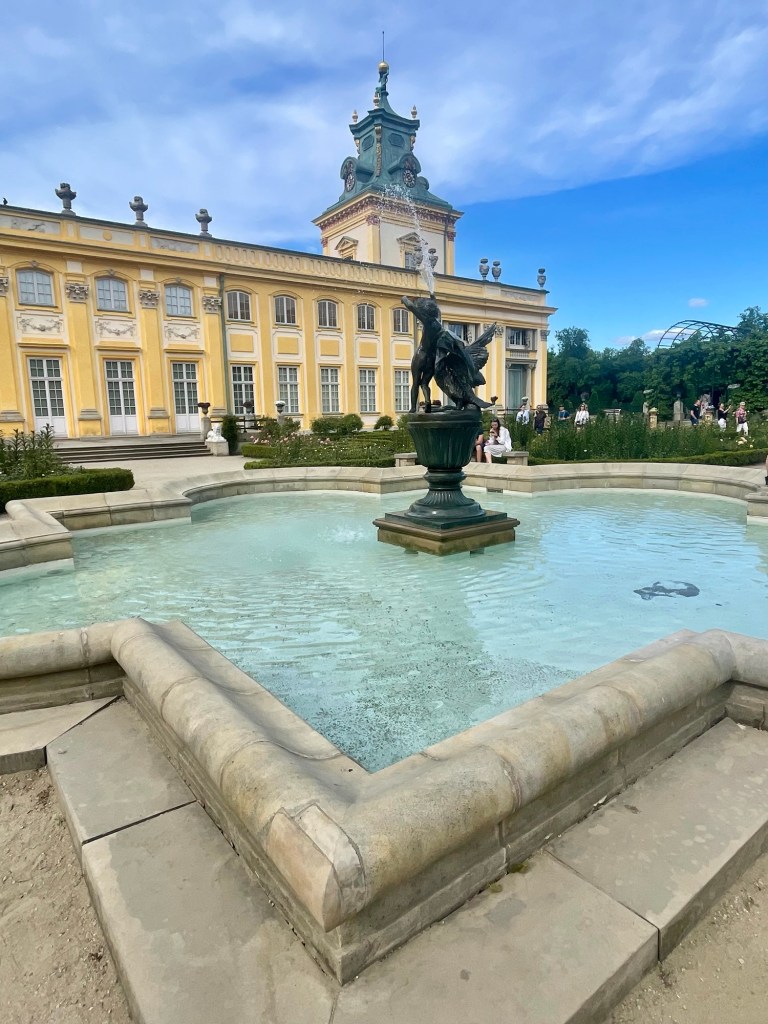
That afternoon we went for a walk around a historic castle near their home on the outskirts of the city which was surrounded by really beautiful gardens and a lovely river. We finished off the day with some nice pizza at an outdoor eatery. It was a lovely weekend catching up with good friends and finally meeting their young son.
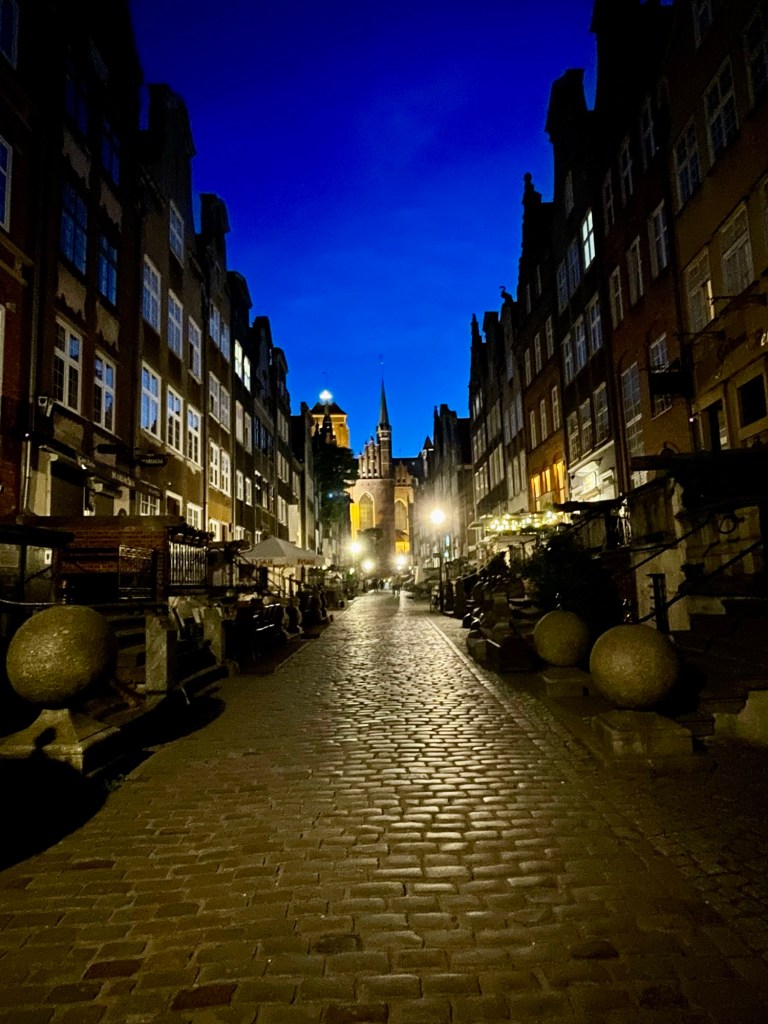
Our final stop in Poland was the port city of Gdansk. This city was the first invasion by the Germans in WWII. Gdansk is a city on the Baltic Sea that has historical ties to Germany until WWI when it was given over to the new Polish nation. The old district of this small coastal city has colorful houses similar to Krakow, but also has little islands within the city with many unique and beautiful bridges over the canals. You can take boat tours around the city or just walk and see the sites. Restaurants line these waterways providing wonderful views while you dine.


We really enjoyed walking around Gdansk and taking in the sites. There are historical walls and gates, statues and fountains, narrow streets, and many boats. The city boasts lots of different types of museums that look interesting, but unfortunately, we didn’t have enough time to visit more of them. They also seem to have many walking tours around the Old Town. For dinner that night we were excited to find a pork BBQ place called Antalya that we very much enjoyed.

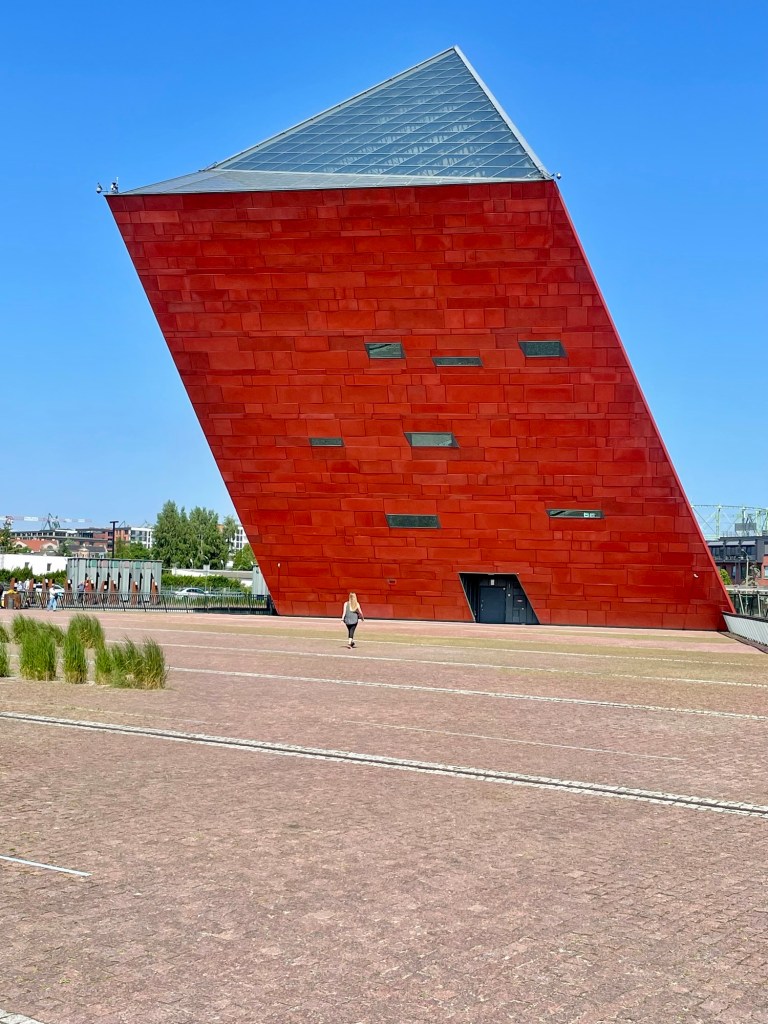
The next day we walked over to the reknowned Museum of the Second World War which was a very comprehensive museum of the main events leading up to, during, and after WWII. We didn’t know the museum was so big, so we ended up staying much longer than we anticipated, but it was worth it and I learned a lot. I have also found that learning history from the perspective of others is important. In the US, we learn history from our lens, which doesn’t necessarily give the whole picture of what was going on. To see things through the eyes of others, particularly where it happened, is so important if and whenever it is possible.
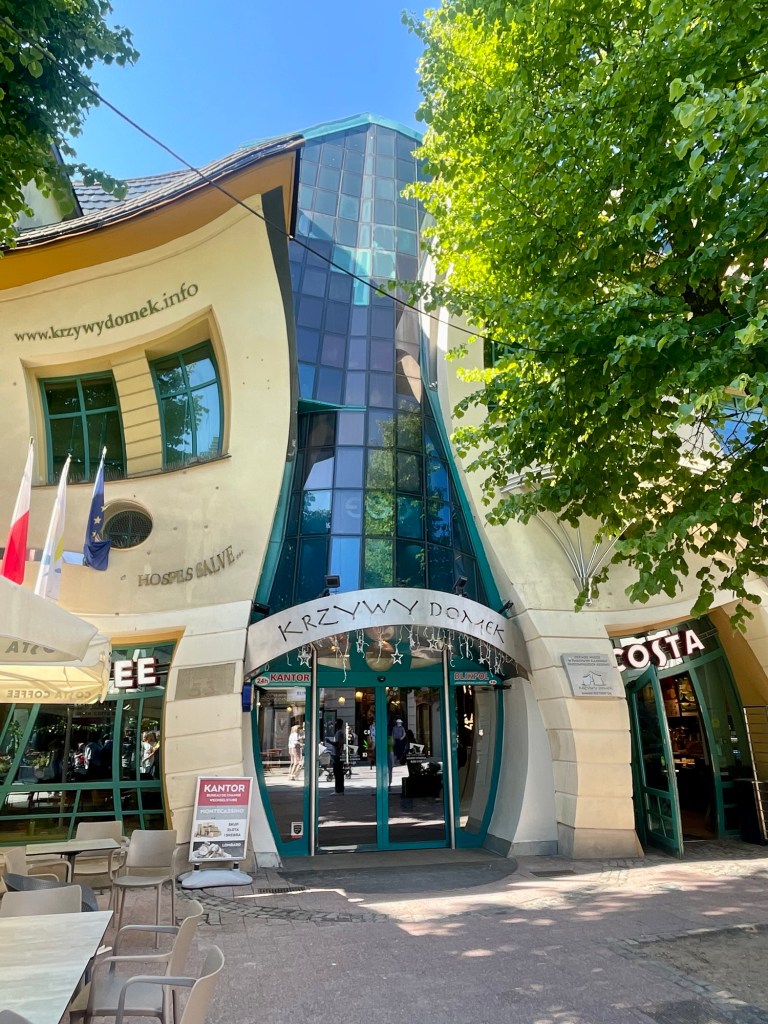
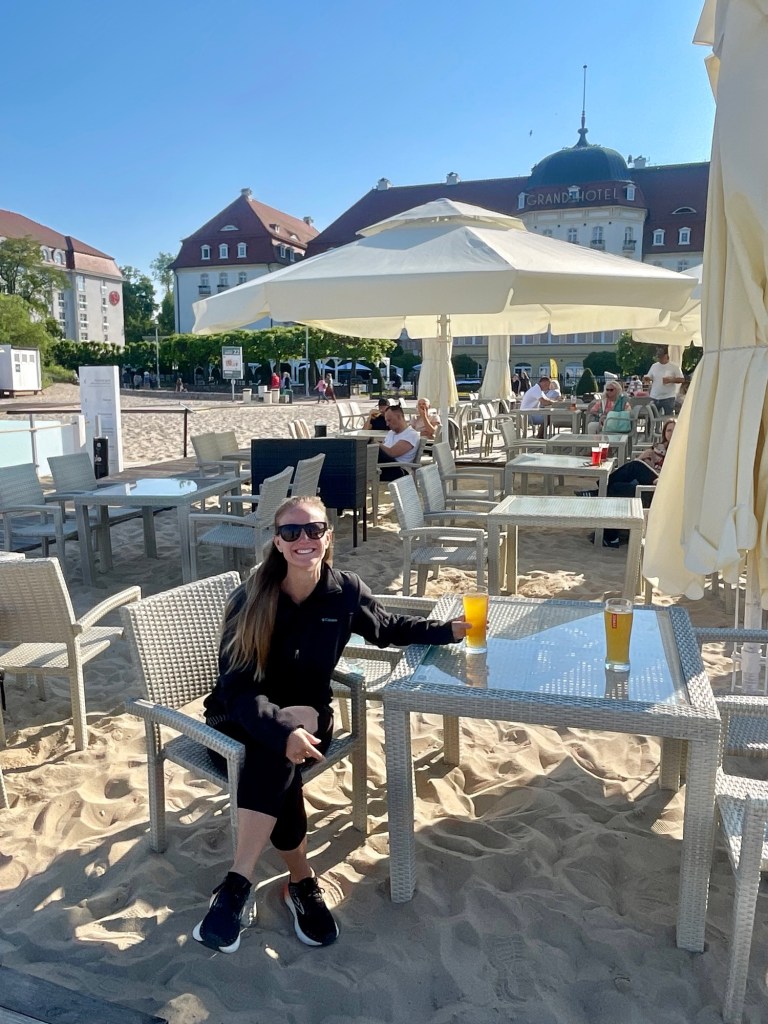
In the afternoon, we caught a short train up the coast to the small historical beach town of Sopot. This is a holiday destination where locals flock to the beach in the summer months. The beach was very large with cafes and restaurants where you could put your toes in the soft white sand. They also have a long pier that goes out into the ocean that you can pay to walk. The small town is notorious because Hitler stayed for one week during WWII at the opulent beachside Grand Hotel back in 1939. This beautiful historic property has since hosted many famous figures including Stalin, and more recently Shakira. Despite the beautiful beach and historic hotel, the main reason we came to visit was that Nate heard about the Krzywy Domek, or “crooked house” in Polish. It turns out that this unique architectural building is the entrance to a small shopping mall, and it felt like we stepped into a Dr. Seuss novel when we finally found it. For our final evening in Poland, we had a lovely pizza dinner back in Gdansk watching boats sail up and down the canal.

 Teri and Nate's World Adventures